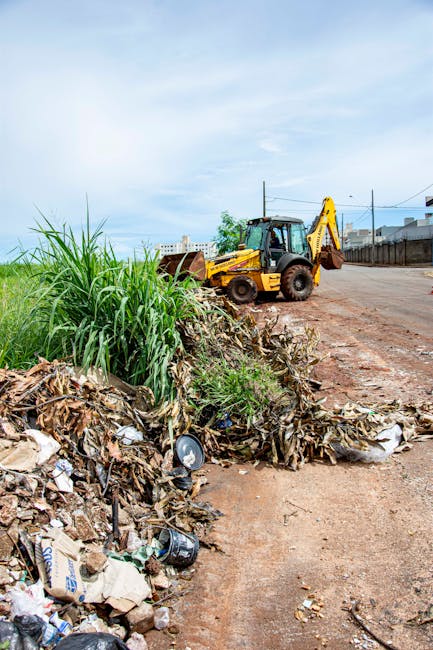
Waste disposal rules for removals in South Hornchurch Havering
Moving house or clearing an office sounds straightforward until the waste starts piling up. Old wardrobes, broken white goods, flat-pack offcuts, garden cuttings, half-used paint, cardboard mountains, and that one mystery item everyone swears belonged to "someone else" can turn a smooth move into a bit of a headache. The waste disposal rules for removals in South Hornchurch Havering matter because they affect what can go in a van, what needs separate handling, and what should never be left on the kerb and hoped for the best.
If you are planning a move in South Hornchurch or anywhere in Havering, the sensible approach is simple: separate reusable items, identify regulated waste early, and make sure everything is moved, stored, or disposed of responsibly. That protects you from delays, extra costs, and avoidable problems on moving day. It also makes the whole process feel calmer. And honestly, calm is underrated during removals.
Below, you will find a practical guide to how waste rules work during removals, what usually causes trouble, and how to stay on the right side of both local expectations and general UK waste practice. You will also see where removal support, packing help, and responsible disposal habits fit into the picture. If you want a wider view of moving support, the site's removals and removal services pages are useful starting points, while the company's recycling and sustainability information gives a good sense of how careful disposal can be handled in practice.
One quick reassurance before we get into the detail: not every unwanted item is "waste" in the same way. Some things are reusable, some are recyclable, and some require specialist handling. Getting that distinction right saves time. It really does.
Table of Contents
- Why waste disposal rules matter during removals
- How waste disposal works in a removal
- Key benefits and practical advantages
- Who this is for and when it makes sense
- Step-by-step guidance
- Expert tips for better results
- Common mistakes to avoid
- Tools, resources and recommendations
- Law, compliance, standards and best practice
- Options, methods and comparison
- Case study or real-world example
- Practical checklist
- Conclusion
- Frequently asked questions
Why Waste disposal rules for removals in South Hornchurch Havering Matters
Waste management is not just about clearing space. During removals, it affects vehicle loading, property access, health and safety, and whether you can leave a home or office in a respectable condition. In a busy part of east London like South Hornchurch, where streets can be tight and schedules are often tight as well, the wrong disposal decision can ripple through the whole move.
The first reason it matters is practical. A van loaded with mixed rubbish, salvageable furniture, broken electronics, and bags of general waste is awkward to organise and even harder to unload correctly. The second reason is compliance. Different waste streams can need different handling. A cracked mirror, a fridge, a damp mattress, or old paint tins should not be treated like ordinary household rubbish. Then there is the simple matter of neighbours and landlords. Leftover waste at the end of a move looks bad, creates complaints, and can slow down handovers.
In our experience, the messiest moves are rarely the biggest ones. They are the ones where no one made a decision about waste until the final morning. One box here, one bag there, a couple of chairs "maybe worth keeping" and suddenly the whole hallway smells of dust, cardboard, and old tape. Not ideal.
Practical takeaway: treat disposal as part of the move plan, not as an afterthought. The earlier you separate reuse, recycling, and true waste, the easier the entire removal becomes.
It also matters because different removal jobs have different waste profiles. A domestic move may produce packing materials, worn-out furniture, and a few fragile items that are no longer worth transporting. An office relocation may create printer waste, cables, old filing, signage, and duplicate fixtures. A careful plan keeps the move efficient and protects the items you actually want to keep.
How Waste disposal rules for removals in South Hornchurch Havering Works
At its simplest, the process is about sorting waste before, during, and after the move. In a real removal job, that means deciding what is moving with you, what is being donated or reused, what can be recycled, and what needs responsible disposal. It sounds obvious, but plenty of people only make those decisions once the van is already outside.
Here is how it usually works in practice. First, the removal team or household sorts items by type. Good-condition furniture may be set aside for reuse. Cardboard and clean packaging can often be separated for recycling. Damaged or contaminated items may need to be treated as general waste. Electricals and some larger items may require special attention. If you are using a professional crew, this sorting phase is where the whole job becomes more efficient.
Second, items that should not be mixed are kept apart. That matters because some waste can contaminate other recyclable material. A food-stained box can make a stack of clean cardboard less useful. Wet waste can spread into fabric items. Old paint or chemicals, even in small amounts, change the handling requirements. The rule of thumb is simple: if it might leak, smell, burn, cut, or contaminate, stop and think.
Third, disposal or onward movement is planned. Sometimes this means arranging collection through the right channel. Sometimes it means loading the item securely for a suitable drop-off. Sometimes it means not moving the item at all until you have confirmed what it is and how it should be handled. That last one saves headaches. A lot of them.
For people using a local removal support service, the most useful approach is to bundle the moving job with sensible sorting and packing help. Pages such as packing and unpacking services, man with van, and man and van are relevant because they sit close to the decision-making stage: what is packed, what is carried, and what should be left out of the load.
For commercial properties, the waste picture can be more complex. Office chairs, monitors, confidential paper, shelving, and signage may all need different handling. In those cases, office removals and office relocation services are the most relevant pages because office waste is rarely just "junk". It is usually a mixture of assets, recyclables, and items that need secure disposal.
Key Benefits and Practical Advantages
Good waste disposal discipline gives you more than just a tidier pile by the door. It improves the whole removal process in ways that are easy to underestimate until you see the difference.
- Less loading chaos: sorted items are faster to move and easier to stack safely in a van.
- Lower risk of damage: heavy waste mixed with reusable furniture can scratch, crush, or stain items.
- Cleaner handovers: landlords, buyers, and business occupiers appreciate a property left properly cleared.
- Better recycling outcomes: clean cardboard, metal, and reusable items are easier to separate.
- Reduced stress: fewer "what do we do with this?" moments on moving day.
There is also a quiet financial benefit. If you know in advance what can be reused, recycled, donated, or removed in a single trip, you may avoid paying for extra vehicle journeys or emergency disposal at the last minute. That is especially true when removals are being booked alongside item clearance. A well-organised load is simply cheaper to handle than a chaotic one.
Another advantage is safety. Broken glass, nails, splintered wood, and awkwardly packed rubbish make moving day harder on hands, backs, and ankles. Safety is not a vague extra here. It is part of the job. A careful loading plan and sensible disposal routine go hand in hand, which is why it fits well with the company's published health and safety policy and insurance and safety information.
For people who care about how their move reflects on them, there is another benefit too: less wastefulness. Nobody loves creating more rubbish than necessary. If an item can be passed on, repaired, or recycled, that is usually the better route. Simple as that.
Who This Is For and When It Makes Sense
This topic matters for more people than you might think. Home movers, tenants, landlords, office managers, small business owners, and families helping elderly relatives all run into the same basic problem: not everything in a property should be moved, but not everything should be thrown away either.
It makes sense if you are:
- moving from a flat, house, or shared property and want to avoid leaving junk behind
- clearing a property after a tenancy or sale
- downsizing and need to separate keep, donate, recycle, and dispose
- relocating an office and want to reduce clutter before the move
- handling bulky items that do not belong in ordinary household bags
- trying to keep the process tidy, lawful, and stress-free
It also makes sense if you are using home moves, house removals, or house movers support and want the loading plan to be cleaner from the outset. If you are only moving a few items, a removals near me search may still lead you to the right kind of practical help, but the key is to ask about waste handling before booking. That one question can save an awful lot of confusion later.
To be fair, not every move needs a deep waste plan. But once you have more than a few boxes, a bulky sofa, a broken appliance, or a back room full of "we'll sort that later" items, the rules start to matter fast.
Step-by-Step Guidance
Here is a straightforward way to manage waste disposal during a removal without turning the whole thing into a project.
- Walk the property early. Go room by room and make piles: keep, donate, recycle, dispose, and unsure.
- Identify special items. Look for appliances, batteries, light fittings, paint, liquids, sharp materials, or anything that may need careful handling.
- Check what can be reused. Good furniture, working electronics, and clean household items often have a second life.
- Separate clean recyclables. Cardboard, paper, some plastics, and certain metals are easier to process when kept clean and dry.
- Wrap and label properly. If something is going into the van, mark whether it is waste, reuse, or a priority item for the new property.
- Keep hazardous or uncertain items apart. If you are not sure what it is, do not casually mix it with general waste.
- Load waste last if it is coming with you. That keeps the van organised and protects cleaner items.
- Confirm handover condition. Before leaving, check that the property is swept, key areas are clear, and nothing is left in cupboards, sheds, or loft corners.
Here is a small but useful trick: keep one "decision box" for the awkward items that make you pause. Not the clutter box. The decision box. It stops you scattering uncertain things around the house like confetti. Then, when you have a moment, you decide what really happens to them. It sounds almost too simple, but it works.
If the job involves business premises, add a final step for confidential or regulated material. Paper records, old IT equipment, and branded stock may need a stricter process than household waste. That is one reason commercial removals deserve a slightly more careful plan. If that sounds familiar, commercial moves and removal company support can be useful when you want the move managed in a more structured way.
Expert Tips for Better Results
Most waste problems during removals come down to decisions made too late. A few early habits make everything easier.
- Start with the awkward items. The things you are least sure about need attention first, not last.
- Do not overload bags with mixed materials. Heavy mixed bags are harder to carry and harder to sort.
- Keep clean cardboard dry. Once it gets damp or greasy, recycling value drops quickly.
- Use sturdy boxes for reusable goods. That prevents damage if the item is heading to a new home or donation point.
- Take photos of valuable items before disposal decisions. It helps if there is any later question about condition or ownership.
- Ask about disposal before the moving day, not during it. Mid-move decisions are expensive in time and energy.
In our experience, people often forget what is tucked behind furniture or inside cupboards. A quick look behind the wardrobe can reveal old fittings, cables, torn bags, and the odd shoe you thought had disappeared in 2021. It happens.
Another useful habit is to think in loads rather than items. If you know one load is all reusable furniture, another is packaging, and another is genuine rubbish, you will pack the van more cleanly and reduce accidental mixing. That matters more than it seems.
For a move that needs careful handling, it can also help to read the business's terms and conditions and pricing and quotes information so you understand what is included. Clear expectations are never boring when you are trying to avoid last-minute surprises.
Common Mistakes to Avoid
Some mistakes show up again and again. They are easy to make, especially when you are tired and want the move to just be over with.
- Dumping everything into one pile. That creates sorting pain later.
- Assuming all bulky waste is the same. It is not. A mattress, fridge, and old chair do not belong in the same mental bucket.
- Leaving waste decisions to the final hour. This is the big one.
- Mixing clean recyclables with food waste or wet rubbish. That can ruin the lot.
- Forgetting sheds, lofts, and garages. These areas often contain the worst surprises.
- Ignoring access and weight issues. Heavy waste bags on stairs are a recipe for slow progress.
- Not checking what needs special handling. Batteries, chemicals, and certain electricals should never be guessed at.
One subtle mistake is underestimating time. A room may look nearly empty and still contain a surprising amount of waste once you start pulling things out. Old packaging, broken fittings, forgotten paperwork, and flat storage furniture can fill several bags faster than expected. Give yourself more time than you think you need. Really.
If you are moving with a smaller vehicle or a flexible local crew, it is worth checking whether man with van removal or removal van options suit the amount of waste and furniture you actually have. Picking the right size and style of service is half the battle.
Tools, Resources and Recommendations
You do not need a complicated toolkit to handle waste well during a move. A few basics go a long way.
- Strong boxes: for separating keep, recycle, and dispose items
- Heavy-duty bags: for mixed household rubbish and soft waste
- Marker pens and labels: for clear sorting
- Protective gloves: especially for lofts, garages, and dusty areas
- Packing tape: to secure clean cardboard and reusable boxes
- Blankets or wrapping materials: for items that should be kept clean in transit
From a service perspective, useful related pages include furniture pick up for items that still have some life in them, and movers if you need hands-on loading support. If the job is bigger, moving van, moving truck, and removal truck hire can be relevant depending on scale.
A sensible recommendation is to keep one clearly marked box for paperwork, one for valuables, and one for items going to recycling or disposal. That small bit of order makes the rest of the move feel more manageable, especially when there is noise, dust, and people stepping around each other. You know the scene.
Law, Compliance, Standards and Best Practice
When removals involve waste, the safest approach is to follow general UK waste duties and local collection expectations without guessing. You do not need to memorise legislation to do the right thing, but you do need to understand the principles: waste should be stored safely, passed to a suitable handler, and not left in a way that causes nuisance, contamination, or risk.
Best practice usually means:
- separating reusable goods from genuine waste
- keeping recyclable material clean where possible
- avoiding mixing hazardous and non-hazardous items
- using appropriate handling for bulky or awkward objects
- making sure nothing is fly-tipped or left unattended
That last point matters. Fly-tipping is not just an abstract legal issue; it is a real local problem that creates mess, costs, and avoidable stress for residents and councils. A proper removal plan avoids it completely. If a provider is handling waste on your behalf, it is reasonable to expect them to do so responsibly and transparently. If they cannot explain how items will be managed, that is a red flag.
For customer reassurance, the site's insurance and safety, health and safety policy, and recycling and sustainability pages fit well with a careful disposal mindset. They help show that waste handling is not being treated as an afterthought.
And just to be plain about it: if something is oily, sharp, leaking, electrical, chemically coated, or otherwise questionable, do not treat it like ordinary rubbish. Put it aside and deal with it properly. That one habit prevents a lot of trouble.
Options, Methods and Comparison
Different waste-handling methods suit different removals. Here is a simple comparison to help you choose the right approach.
| Method | Best for | Advantages | Watch-outs |
|---|---|---|---|
| Reuse or donation | Good-condition furniture, decor, and household items | Less waste, lower disposal volume, practical second life | Only suitable if the item is genuinely usable and clean |
| Recycling separation | Cardboard, paper, some metals, clean packaging | Reduces mixed waste and improves sorting efficiency | Contamination can ruin recyclable material |
| General waste removal | Broken, dirty, or mixed household rubbish | Simple and fast for non-recyclable items | Can be more expensive if everything is treated this way |
| Special handling | Electronics, paint, batteries, appliances, sharp items | Safer and more responsible for regulated or awkward waste | Needs more planning and may not be suitable for all providers |
A lot of people assume the quickest option is to throw everything into the same pile. It is quick at the start. Then it is slow, expensive, and messy at the end. Sorting just a little more carefully usually wins.
If you are comparing providers, the most useful question is not "Can you take everything?" but "How do you handle different waste types during removals?" That question tells you much more about quality than a simple yes or no ever will.
Case Study or Real-World Example
A typical South Hornchurch home move might start with a three-bedroom property where the owners are downsizing. They have a sofa with one damaged arm, two bookcases, several bags of old papers, a broken bedside lamp, and a garage full of cardboard, paint tins, and mixed clutter. On paper, it looks like a standard move. In reality, it is three jobs in one: relocation, sorting, and disposal.
The helpful approach is to split the property into zones. Keep the furniture and personal items going to the new home. Separate the bookcases and sofa for reuse if they are still suitable, or disposal if not. Put cardboard and clean packaging aside for recycling. Isolate the lamp, paint tins, and any unknown items until you know exactly what they are. The garage gets its own sorting session because garages always do. They are sneaky like that.
With that plan in place, the move becomes cleaner and faster. The van is loaded in a sensible order. Reusable items are protected. Waste is not mixed in with furniture. The property is left tidy enough for handover without a frantic final sweep. That is the kind of result people usually want but rarely plan well enough for.
In a business setting, the same logic applies. A small office in South Hornchurch may need old desks removed, boxes of archive paper sorted, IT equipment separated, and packing waste cleared out. The difference is that office moves also tend to include a little more urgency and a little less patience. Fair enough. That is where structured support and careful handling really earn their keep.
Practical Checklist
Use this checklist before moving day. It is simple, but it works.
- Have you separated keep, donate, recycle, dispose, and unsure items?
- Have you identified anything sharp, heavy, leaking, or electrical?
- Are clean cardboard and packaging kept dry?
- Have you checked the loft, shed, garage, cupboards, and behind furniture?
- Do you know which items need special handling?
- Have you labelled boxes clearly?
- Is the van load planned so waste does not crush reusable items?
- Have you read the relevant service and policy information?
- Is the property ready for a clean handover?
- Do you know who is responsible for final disposal?
One-line reminder: sort first, move second.
If you are still deciding how much help you need, it can be useful to compare man and van removals, removal companies, and more tailored removal services so you can match the service to the real volume of items, not the optimistic version in your head.
Get a free quote today and see how much you can save.
Conclusion
The waste disposal rules for removals in South Hornchurch Havering are not about making your move harder. They are about making it cleaner, safer, and more predictable. Once you separate reusable items, isolate anything questionable, and plan disposal before the van arrives, the whole job feels lighter. Less rush. Less mess. Fewer regrets.
That approach works whether you are moving a family home, clearing a flat, or relocating a small office. It also helps you avoid the classic moving-day scramble where everyone stands around an open cupboard wondering why there are three extension leads, a lamp shade, and a half-full tin of something nobody wants to touch. We have all seen it.
If you handle disposal carefully, the rest of the removal usually falls into place more smoothly than you expect. And that is a good feeling. A very good one.
Frequently Asked Questions
What counts as waste during a removal?
Waste can include broken furniture, damaged household items, old packaging, unusable textiles, unwanted fittings, and anything you have decided not to keep, donate, or move. Some items need special handling, so it is worth sorting them early rather than treating everything the same.
Can I put all my unwanted items in the same pile?
You can, but it is not a good idea. Mixed piles slow everything down and can make recycling harder. It is much better to separate reusable items, recyclables, general rubbish, and anything that may need careful disposal.
What should I do with old furniture I no longer want?
If it is still in usable condition, consider reuse or furniture collection options. If it is damaged, contaminated, or unsafe, it may need to be removed as waste. A quick condition check helps you decide which route makes the most sense.
Are appliances treated differently from normal waste?
Often, yes. Appliances can contain components that need careful handling, especially if they are electrical or bulky. They should not be treated like ordinary bagged waste. If in doubt, set them aside and confirm the right approach before moving day.
Do I need to sort cardboard before a move?
It is strongly recommended. Clean, dry cardboard is easier to recycle and easier to stack in the van. Once it gets wet, greasy, or heavily mixed with other rubbish, it becomes far less useful.
What happens if I leave waste at the property?
That depends on the property and your agreement, but it can create problems at handover and may lead to extra charges or complaints. A final walkthrough is always worth doing. Always.
Is it better to dispose of items before moving day?
Usually, yes. Removing obvious waste in advance gives you more space, less clutter, and fewer last-minute decisions. It also helps the moving team load the van more safely and efficiently.
How do I handle paint tins, batteries, or other awkward items?
Keep them separate from general waste and do not guess. These items can require special handling depending on what they are and how they are stored. If you are unsure, set them aside until you can confirm the right method.
Can removal services help with waste disposal?
Some can, especially if waste handling is discussed before the job starts. The key is to ask how different waste streams are managed and what is included. Clear communication avoids confusion later.
What is the biggest mistake people make with removal waste?
The biggest mistake is leaving it too late. People often sort the move itself and forget the waste until the last hour. That creates stress, slows loading, and often leads to a messier outcome than necessary.
Does office waste follow the same rules as home waste?
The general principles are similar, but offices often have extra considerations such as confidential paper, IT equipment, signage, and reusable fixtures. It is wise to sort these items separately rather than treating them like ordinary rubbish.
How can I make my removal feel less overwhelming?
Break it into small decisions. Start with what you want to keep, then deal with donation, recycling, and disposal one room at a time. A sensible plan makes the whole process feel much more manageable, even if the house looks a bit chaotic for a while.